
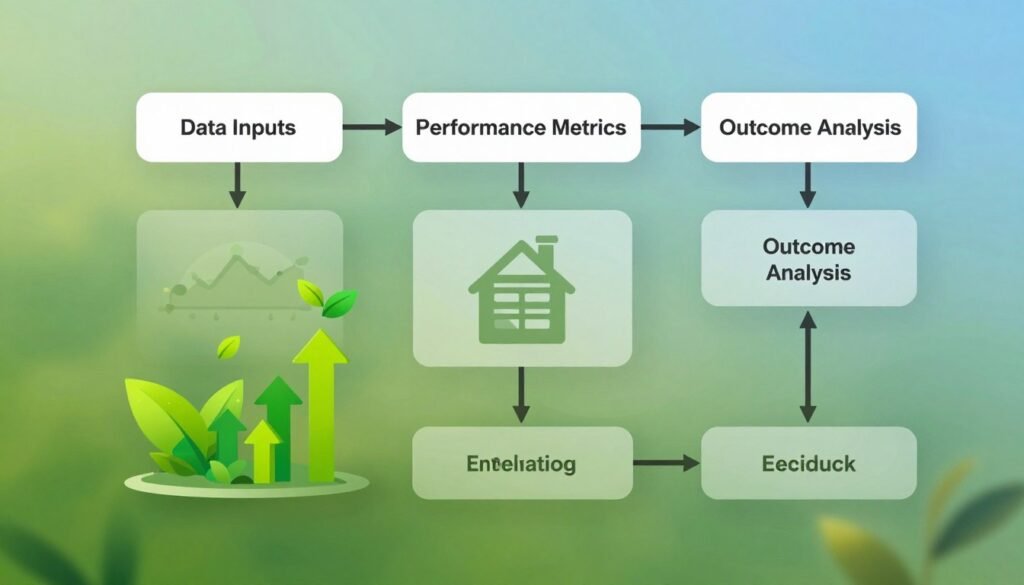
What if every number in your reports could reveal a path to greater resilience and deeper community change?
For years, our partners at The Bridgespan Group have refined the tools that answer this very question. We build on that legacy.
We believe moving beyond simple reporting is the cornerstone of long-term success. Our focus is on deep learning, not just compliance.
This shift helps your team unlock new pathways to resilience. It turns every piece of information you gather into a strategic asset.
We empower leaders to look past surface-level metrics. This provides the clarity needed to make better decisions that drive real change.
Let’s explore how to transform your practice into a powerful engine for continuous improvement and organizational success.
Key Takeaways
- Shifting from basic reporting to deep learning is essential for sustainable growth.
- Data should function as a strategic asset, not just a compliance requirement.
- Advanced tools provide the clarity leaders need for better decision-making.
- A robust approach unlocks new pathways to organizational resilience.
- This methodology drives meaningful change for the communities you serve.
- Continuous improvement becomes the engine for long-term success across all sectors.
Introduction to Impact Measurement and Sustainable Growth
The journey from collecting numbers to driving meaningful expansion begins with a fundamental shift in perspective. We help you see your information not as a static report, but as a dynamic, strategic asset for learning.
This is where frameworks like those from The Bridgespan Group, grounded in Measurement, Evaluation, and Learning (MEL), provide a solid foundation. We build on these to refine your practice.
Understanding the Importance of Measuring Impact
Why does tracking your true effect matter so much? It moves your work beyond basic compliance for funders.
Intentional evaluation becomes a core learning process for your team. This focus unlocks new pathways to resilience for your specific mission.
How Effective Measurement Fuels Growth
When your organization embraces this approach, every piece of data fuels genuine progress. You stop reacting to old reports and start proactively refining strategy.
This proactive shift is what drives long-term organizational health and mission success. It turns insights into better decisions for your community.
Our guide provides the tools to measure what matters, launching you toward sustainable growth.
What is Impact Measurement?
At its core, impact measurement is about turning raw numbers into a clear story of transformation. It is the disciplined practice of collecting and using evidence to understand progress toward your goals.
Defining Key Concepts and Outcomes
This systematic work goes far beyond counting activities or outputs. We focus on outcomes, which reveal what actually changed for the people you serve.
Understanding the causal mechanisms behind those results is vital. It allows your organization to answer critical questions: What happened, why did it happen, and what should we do next?
From Outputs to Real Change
If your evaluation does not change how you run programs or allocate resources, it is merely reporting. True assessment drives action and informs smarter strategy.
We help you design internal workflows that deliver real-time insights. This turns your information into a powerful engine for alignment and growth, ensuring every insight fuels meaningful progress.
The Evolution of Impact Measurement Systems
The landscape of evaluating social good has transformed significantly over the last twenty years. This long period of development has built up frameworks, standards, and conferences. This work has created a more professional infrastructure for the entire field.
Traditional Approaches vs. Modern Practices
Historically, a fundamental misalignment shaped the work. Funders often prioritized polished board summaries. This pushed grantees toward compliance reporting instead of building real learning systems.
This old paradigm stifled the growth of a healthy data culture inside an organization. Teams measured to satisfy external requirements. They did not use information to inform their own strategy and daily work.
Today’s evolution demands a pivotal shift. We move from framework-first to architecture-first thinking. Your collection methods must directly support your goals from the ground up.
Modern practices replace slow, annual compliance cycles. They prioritize real-time understanding and continuous evaluation of your work. This allows for agile response and deeper insight.
By evolving your overall approach, you avoid common pitfalls. You can build a system that truly mirrors the complexity of your mission. This is how you drive genuine, sustainable growth and greater social impact.
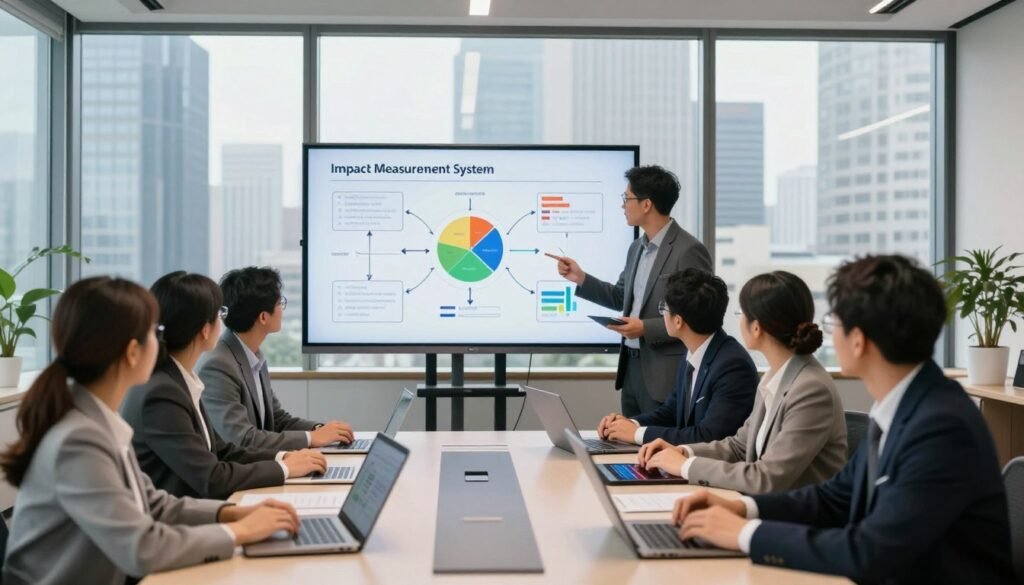
Implementing an Impact Measurement System
Launching your approach begins with a deliberate focus on the most critical information. We guide you to put this data to work for smarter decisions and stronger outcomes.
Key Steps to Get Started
First, define the specific outcomes and metrics that connect directly to your Intended Impact. This work must be rooted in your Theory of Change foundation.
You do not need to track everything. A handful of high-quality metrics provides far greater value than volumes of unused numbers.
We help clarify your logic model with a pivotal question. Ask what strategic decisions you cannot make in the next three to five years without better evidence.
Design an inclusive process by engaging your communities as true partners. Move beyond seeing them only as service beneficiaries.
Choosing the right framework from the start keeps your collection efforts manageable. It ensures every piece of data ties directly to your organizational goals.
Data Collection and Analysis Techniques
The most powerful insights emerge from a deliberate blend of statistical trends and human stories. This balanced approach turns raw information into a clear narrative of your progress.
Yet, a startling fact undermines many traditional efforts. About 95% of qualitative evidence—the actual words from your stakeholders—goes unread. This represents a massive lost opportunity for deeper learning.
Balancing Quantitative and Qualitative Data
Numbers tell you how many youths completed a program. Stories reveal the changes in perspective that define true success. We help you value both types of evidence equally.
This integration provides the complete picture your team needs. It moves your understanding from simple counts to meaningful context.
Tools and Strategies for Efficient Collection
Modern platforms help you capture narrative context alongside metrics. This prevents the common failure where vital stakeholder feedback is collected but never analyzed.
We design processes that are accessible and culturally appropriate. Your methods must fit the specific needs of the communities you serve.
Using the right tools turns your data collection into a strategic asset. It fuels more informed decisions and a fuller view of your organization’s real effect.
Addressing Data Architecture Challenges
We solve the foundational problem where most analytical effort is wasted on preparation rather than discovery. A staggering 80% of an analyst’s time is often consumed by cleaning and reconciling spreadsheets.
This leaves little room for the deep analysis that improves programs and drives your mission forward.
Ensuring Data Integrity and Clean Sources
The only reliable fix is ensuring integrity at the point of entry. This prevents the common, frustrating issue where a single participant appears as three different records across your tools.
Our architecture-first approach eliminates the need for manual matching. This tedious process never scales and introduces errors with every new data arrival.
Instead, we connect information with unique identifiers across the full stakeholder lifecycle. This makes true longitudinal learning possible for your organization for the first time.
You build a foundation where information stays clean, connected, and ready for analysis. This strategic shift saves your team weeks of manual work every single quarter.
You gain a coherent, reliable view of your progress, turning raw numbers into a trusted asset for smarter decisions.
Harnessing AI for Real-Time Impact Insights
Imagine unlocking hidden patterns in your stakeholder feedback within hours, not months. This is the power modern artificial intelligence brings to your work. We move beyond slow, manual processes to deliver immediate understanding.
AI-native tools perform in hours what manual coding took months to accomplish. This revolutionizes how you learn from the communities you serve.
Leveraging AI in Qualitative and Quantitative Analysis
We leverage AI to extract deeper meaning from open-ended text, essays, and interview transcripts. These rich sources were often too time-consuming to analyze fully.
Your team can now process both narrative and numerical information simultaneously. This surfaces hidden connections across your entire dataset.
Transforming Data into Actionable Intelligence
Our approach turns raw information into a strategic guide for daily decisions. You can make performance improvements while programs are still active.
Ask complex questions about your portfolio using plain language. The AI queries your full database to provide instant answers.
This shifts your focus from backward-looking annual reports to forward-looking, real-time intelligence. You gain the clarity to inform strategy and allocate resources with confidence.
Real-World Impact Measurement Case Studies
From venture capital to after-school programs, real-world stories demonstrate the actionable power of well-structured information. These examples show how moving beyond basic reporting creates a tangible advantage.
Examples from Nonprofits and Impact Investors
SJF Ventures, a venture capital firm, needed clear visibility into its portfolio’s social and environmental progress. By automating data collection, they gained real-time dashboards. This shift enabled better conversations with investors about tangible outcomes.
During the COVID-19 pandemic, The Ewing Marion Kauffman Foundation faced a critical challenge. They used advanced tools to help local grantees define their own success metrics. This allowed for continuous progress monitoring when adaptability was most vital.
America SCORES Chicago provides after-school programming for youth. They track detailed student engagement and program effectiveness data. This practice helps them stay accountable to school principals and government funders with clear evidence.
Research proves this focused approach works. Nonprofits that apply their data to daily decisions see a 25% increase in program effectiveness. With impact investing growing at a 21% annual rate, the demand for structured reporting is clear. Over half of all corporate social impact professionals now face increased pressure to demonstrate results.
These stories prove a powerful trend. Intelligent evaluation is no longer optional for driving meaningful growth.
Integrating Stakeholder Intelligence for Deeper Insights
We transform evaluation from a one-way extraction into a collaborative dialogue with your constituents. This shift unlocks a richer, more authentic understanding of your progress.
Involving Communities and Constituents in Data Collection
We believe those most affected by your work must help shape what you track. This ensures your insights are grounded in real, lived experience.
By engaging communities as true partners, you build lasting trust and accountability. This partnership surfaces critical perspectives your team might otherwise miss.
Our practice includes investigating potential inequities in your programs. We ask who benefits and who is left behind to guide more equitable decisions.
We encourage you to design inclusive data collection tools. These should be culturally appropriate for the specific groups you serve.
Closing the loop is essential. Share what you learned back with your stakeholders. This action reinforces your values and strengthens every relationship.
Data-Driven Decision Making and Social Change
A startling gap exists between intention and execution in the social sector, but closing it is the key to unlocking real progress. While 76% of nonprofits name impact measurement as a priority, only 29% execute it effectively.
We help you bridge this divide. Our partnership ensures your team moves from wanting better evidence to using it for smarter, daily choices.
Using Impact Data to Inform Strategy
We guide your leadership to use this information strategically. It helps identify what is working well and where your efforts are falling short.
This clarity reveals what needs to shift. Making learning from your evidence a regular practice informs your strategy with real-time insights.
We help you use dashboards as dynamic check-in tools. They monitor trends and highlight areas needing closer attention for your team.
Good information does not make decisions for you. It provides a strong foundation for better, more strategic choices that drive meaningful social change.
Best Practices for Impact Reporting and Learning
Effective communication transforms your hard-won data from a private asset into a public catalyst for support and learning. We help you craft reports that build trust and drive resources toward your mission.
Communicating Findings to Boards and Funders
Tailor your message for each audience. Your board needs strategic insights to guide big-picture decisions. Focus on a few key metrics that reveal progress toward your top priorities.
Leave space for reflection, not just reporting. For donors, create a compelling case. Connect your aspirations to the tangible milestones you’ve achieved.
Research from the Golub Capital Social Impact Lab at Stanford confirms a powerful strategy. Combining narrative stories with numerical data significantly boosts giving rates.
We help you blend human stories with your metrics. This builds a stronger case for your work’s effectiveness.
Share one key lesson learned with your board each quarter. This practice builds a culture of transparency and continuous learning. It strengthens relationships with your most important supporters.
Aligning Resource Allocation with Measured Outcomes
We help you move your resources to follow the proof, ensuring every dollar advances your mission with maximum effect. This practice turns your information into a strategic guide for daily decisions.
You can confidently shift funds and attention toward the programs delivering your most significant results. This is how evidence drives smarter budgeting and continuous improvement.

In the mission-driven space, maintaining stakeholder and donor trust is paramount. Sticking to a disciplined budget that prioritizes proven needs is essential for that trust.
By understanding which operational areas require the most focus, you use limited funds as effectively as possible. We assist you in linking your baseline information to specific outcomes.
This allows you to correlate particular program components with the strongest results for your constituents. Aligning your spending with measured progress keeps your organization focused on what truly matters to achieve the impact you seek.
Future Trends in Impact Measurement and Organizational Growth
By 2026, the very definition of understanding your effect will be rewritten, centering on continuous stakeholder intelligence. This new practice aggregates and connects all constituent information across the full lifecycle. It moves beyond annual compliance to become an AI-native, always-on source of truth.
Emerging Technologies and Stakeholder Intelligence
We are helping organizations embrace AI-native systems. These platforms replace slow, manual cycles with real-time understanding of performance.
Your team can move from separate tools to a unified workflow. In this model, information enters clean, stays connected, and gets analyzed instantly.
The most successful platforms will ingest and analyze broad context. This includes documents, interviews, and open-ended text, not just structured survey data.
Sustainable Growth through Continuous Evaluation
Long-term organizational growth will increasingly depend on your ability to adapt programs in real time. Continuous evaluation provides the emerging evidence needed for these smart adjustments.
This approach turns every stakeholder interaction into a moment of strategic learning. You gain the clarity to make confident decisions that drive progress.
We build solutions that transform raw data into a stream of actionable insights. This fuels a cycle of improvement and resilience for your mission.
Conclusion
This exploration leads us to a core truth: lasting success is built on a foundation of continuous, evidence-informed learning.
Moving beyond basic accountability, this practice is about improving and driving better outcomes for the people you serve. When done well, it helps your entire organization focus on what truly matters, enabling real-time adaptation.
We have shown how to build an approach that becomes a powerful engine for sustainable growth. Integrating stakeholder intelligence and modern tools saves tremendous review time while offering deeper insights into your progress.
We invite you to start today. Define your key results, ensure clean information sources, and commit to a culture of learning. Your dedication to this work builds stronger alignment across your team, board, and community partners.
Together, we can turn every insight into meaningful change.
FAQ
Why is measuring social and environmental outcomes crucial for modern organizations?
We believe tracking your progress is essential for authentic growth. It moves us beyond good intentions to demonstrate real value. This process builds trust with stakeholders, informs smarter strategy, and proves your work creates meaningful change. It turns your mission into a compelling story backed by evidence.
What’s the difference between tracking outputs and measuring real change?
Outputs are the direct products of your activities, like the number of workshops held. Outcomes are the actual differences those activities make, such as improved skills or increased income for participants. Our approach helps you focus on the latter—the lasting effects that define your success and drive sustainable growth.
What are the first steps to implement a robust framework for tracking progress?
Start by aligning with your core mission. Define clear, achievable goals and the key metrics that signal progress. Then, select practical tools that fit your team’s capacity, like the B Impact Assessment or IRIS+ metrics. We help you build a simple, actionable plan that integrates into daily operations, ensuring it supports learning and adaptation.
How do we balance numbers with stories when gathering information?
Quantitative data, like survey scores, shows trends and scale. Qualitative data, like participant interviews, reveals the human context behind those numbers. We guide you in using mixed methods—combining platforms like SurveyMonkey for stats with focus groups for narratives. This balance provides a complete picture of your performance and deeper insights for decision-making.
Can artificial intelligence enhance our analysis of both numbers and narratives?
Absolutely. AI tools can process large datasets to identify patterns in quantitative results quickly. For qualitative analysis, AI can thematically analyze interview transcripts at scale, uncovering consistent insights. This technology, from platforms like Salesforce Tableau or specialized AI, transforms raw information into actionable intelligence, freeing your team to focus on strategy.
Why is involving communities directly in our process so valuable?
Constituents and beneficiaries hold the most authentic insights about your work’s effectiveness. Engaging them in data collection—through feedback sessions or participatory surveys—ensures you capture what truly matters. This stakeholder intelligence leads to more relevant metrics, strengthens community trust, and fuels programs that genuinely respond to needs.
How should we communicate our findings to leadership and funders effectively?
Tailor your report to your audience. For boards and funders, focus on clear visuals and concise narratives that link outcomes to strategic goals and resource use. Highlight key learnings and how they will shape future work. A strong report demonstrates accountability, showcases value, and builds a case for continued investment in your mission.
